
MEET MARY ELLEN
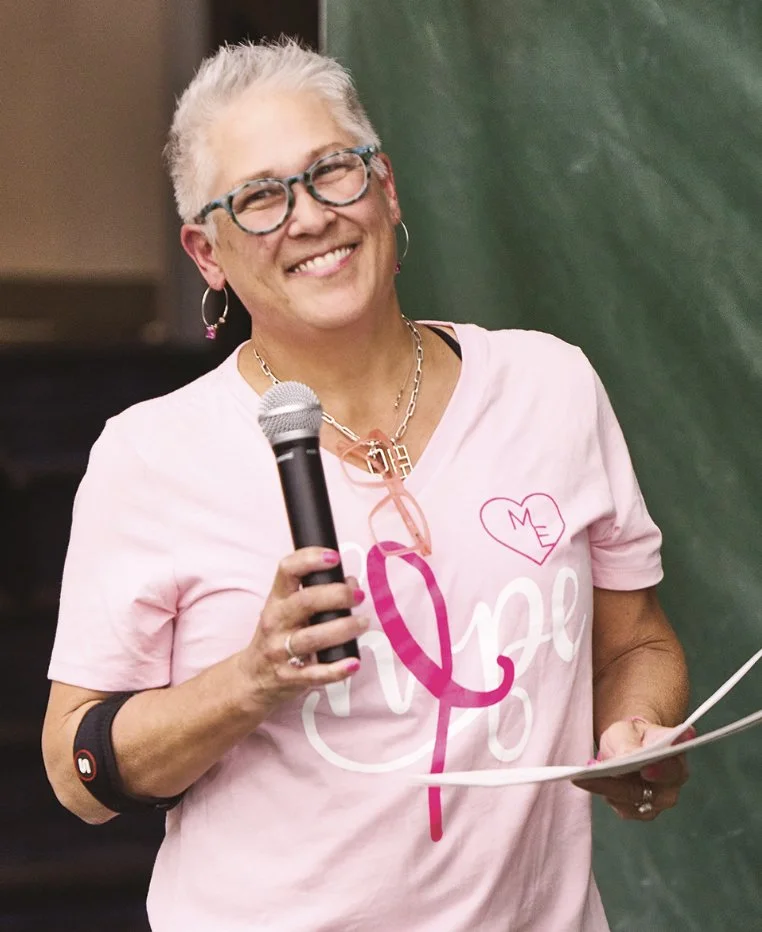
A Journey of Resilience
Hope lives in research ... and hope means better detection, treatments and outcomes for all.
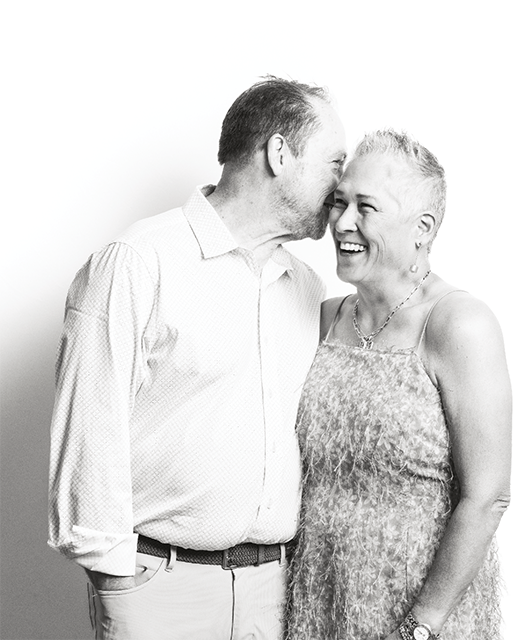
Mary Ellen and her husband
I began volunteering for the Vera Bradley Foundation in 1994 as I wanted to help with a good cause in the community. Little did I know that almost 20 years after I began volunteering, I would be the bald survivor speaking to 900 people at the Foundation’s cornerstone event, the Vera Bradley Foundation Classic. I played golf and tennis, and then shared my story as I managed my journey through breast cancer.
In 2014, I consulted with the resesarchers at the Vera Bradley Foundation Center for Breast Cancer Research as I searched for the best course of treatment. I had a double mastectomy and chemo to achieve successful remission results.
“Research is more than wishful thinking — it is a personal lifeline for anyone battling breast or other cancers.”
In September of 2024, at the Vera Bradley Foundation Classic pickleball and golf event, I was a half week and a half out from two surgical procedures for a blocked bile duct. By December, I had two more procedures and was told I needed major surgery to correct the problem because after thirty biopsies and brushings, my physicians had no answers for my blockage. In February, I had a brutal Whipple procedure to replumb my digestive system. It involved removal of my gall bladder, and parts of my bile duct, liver, pancreas and intestines.
“Hope lives in research, and I have hope that if my cancer returns, I might have a drug to treat it.”
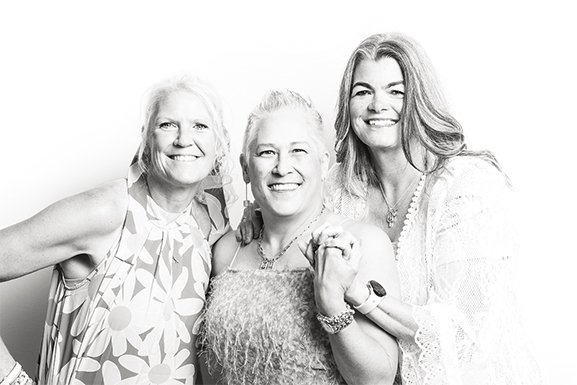
Laying in the hospital, my sister — a seasoned surgeon — read the pathology report and she tearfully looked at me. I asked if it was bad and she simply answered, “yes.” It was bile duct cancer.
My type of bile duct cancer affects 3,000 people a year. In contrast, breast cancer has over 375,000 new diagnoses a year. My cancer has an 80 percent chance of reoccurrence within three years. After “digesting” this information — a joke because I was digesting nothing at that point in the hospital — I realized I needed HOPE and a plan of attack.
I consulted at the Mayo Clinic. I flew to see the GI cancer guru at MD Anderson Houston. And, I worked with my oncology team at the Indiana University Simon Comprehensive Cancer Center where I had my Whipple surgery.
All centers agreed I’d have the same protocol of chemo, which entailed eight courses of oral meds I could take at home. Because of research, while still causing significant side effects, this treatment is so much better than what I had experienced in 2014 during my treatment for breast cancer.
“Rely on your squad: No one beats cancer alone. ”
In addition, I wanted to find an immunotherapy drug to kick my T-cells into gear to attack foreign invaders (cancer) if it resurfaced. When I asked about immunotherapy at IU, they said, “We have a foundation based here. We have a brilliant researcher who works on breast cancer a few days a week and genomics and immunotherapy research the balance of the week. They asked, “Have you ever heard of the Vera Bradley Foundation for Breast Cancer?”
Dr. Brian Schneider is the brilliant physician/researcher they spoke of! Hope lives in research. And my hope came from our own Foundation!
Dr. Schneider was able to pinpoint the exact gene that was abnormal in my DNA. It is in a class of genes that has around eighty variants. He told me there are thirty to forty clinical trials for that gene as well as three to four for my specific mutation. I am told my bile duct cancer is in no way associated with breast cancer. Dr. Schneider told me that it used to be that one to two drugs were approved every month or so for cancer. Because of the sharing of research globally, the approval rate of drugs now is one to two a week.
The astounding revelation I had after talking with Dr. Schneider is that, we are not just funding research for breast cancer, we are investing in research that is being shared across the the world with other centers, for ALL types of cancer ... even my extremely rare bile duct cancer.
“If I can offer one piece of advice from experience, it would be to encourage exercise or movement even for 20 minutes each day!”
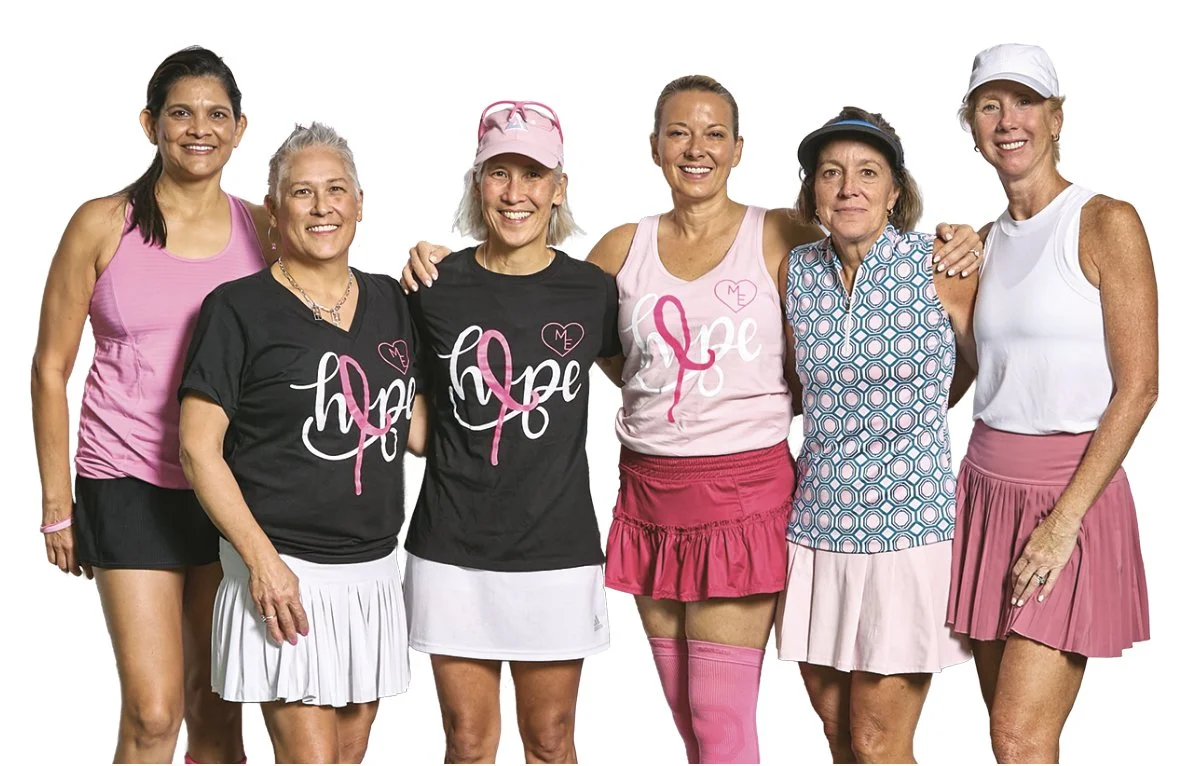
I also learned that movement during treatment makes a significant difference in recovery. While many days you feel tired and overwhelmed, a walk, a spin, or a bounce on a rebounder to flush the lymph system work wonders for the mind and body. As an avid pickleball player, that gave me all the more reason to play one more game of pickleball!
I fully believe that hope and a positive outlook are critical in winning the battle. I also have an incredible squad ... my husband, my children, my siblings and dear friends, all who have helped me through my past diagnosis as well as this new journey. The cancer patient is not the only one who bears the burden. The medical professionals, the caregivers and friends of the patients are warriors also and should be recognized
for their amazing efforts. Bless you all!
I recently completed my chemo treatments and the side effects have been minimal. My pain and energy levels are much better. Recent CT scans and genetic blood testing are clear. Hope coupled with incredible research mean that I am in full remission.
“Hope is a powerful healer.”
Hope lives in research ... and hope means better detection, treatments and outcomes for all.Chemotherapy and the Power of Cold Capping